#21009: Farnsworth House Review
One of the most elegant sets in the early Architecture lineup, the Farnsworth House translates Mies van der Rohe's glass masterpiece into 546 pieces of pure minimalist LEGO.
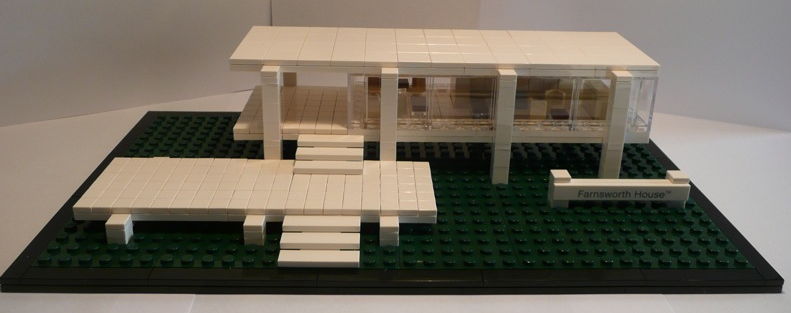
Note: This is a classic review I originally posted on Eurobricks back in March 2011, when the Architecture theme was still finding its footing. The images and their not-so-great quality are also from 2011. The text and details have been updated in December 2025. Looking back at these early sets really shows how the theme evolved over the years.
So there I was, strolling through the LEGO brand store in Copenhagen, when I spotted this beauty sitting on the shelf a couple weeks earlier than expected. From the pictures on LEGO’s website, I had already guessed it was the Farnsworth House, so no big surprises there. But seeing it in person was something else.
History
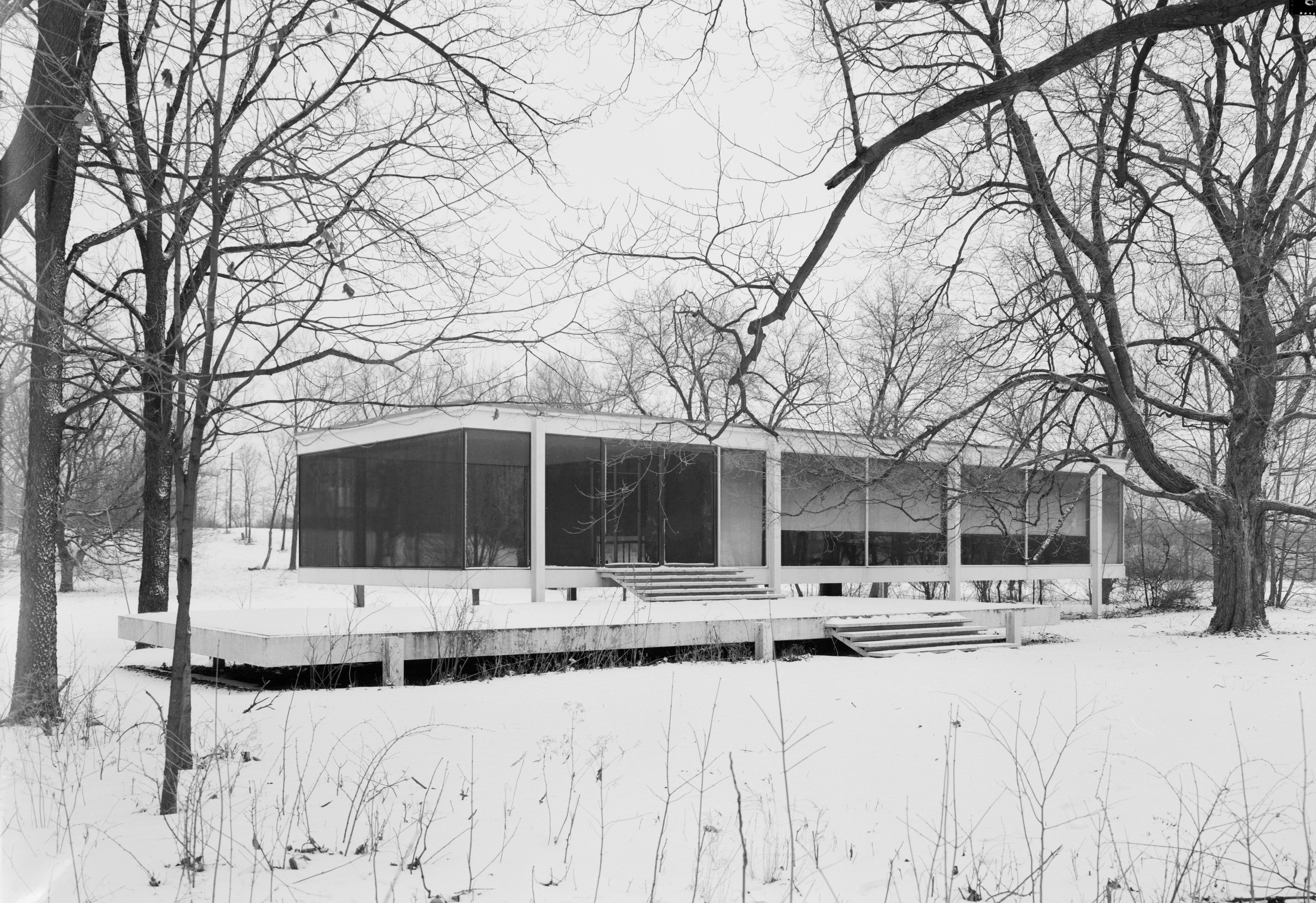
The Farnsworth House stands as one of the most iconic examples of International Style architecture. Designed by Ludwig Mies van der Rohe between 1945 and 1951, this weekend retreat sits on the Fox River in Plano, Illinois. The house embodies Mies’s famous principle of “less is more” with its minimalist design featuring floor to ceiling glass walls and a floating steel frame structure.
What makes this building so revolutionary is how it blurs the line between interior and exterior space. The entire house is essentially one open room, with only the bathroom and utility core enclosed. Eight steel columns lift the structure above the floodplain, making it appear to hover above the landscape.
LEGO Designer Adam Reed Tucker came to LEGO from an architecture background. He began building famous landmarks in LEGO on his own before catching the attention of the LEGO Group, which led to the Architecture theme launching in 2008. The early sets were almost exclusively American skyscrapers and landmarks, so the Farnsworth House represented a real shift when it arrived in 2011. It was one of the first residential buildings in the lineup, and it showed that the theme had serious ambitions beyond just stacking tall things into narrow towers.
The Farnsworth House was part of a wave of sets released in 2011 that pushed the Architecture series in a new direction, releasing alongside sets like Robie House #21010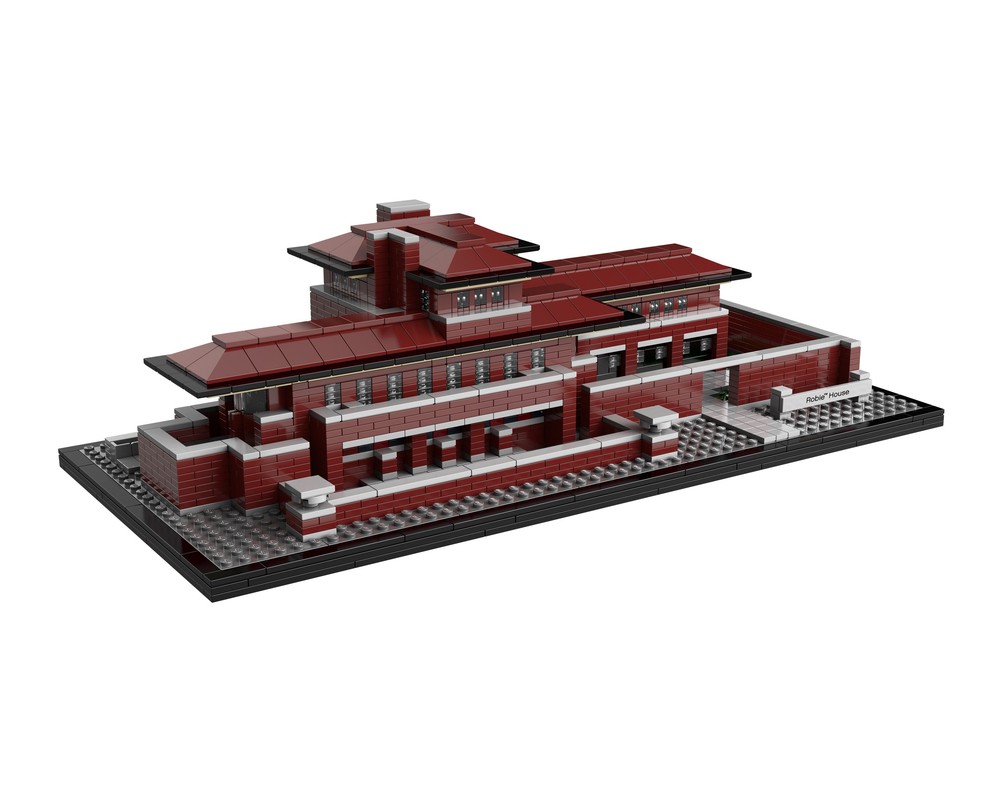 Robie House
#21010 and Brandenburg Gate #21011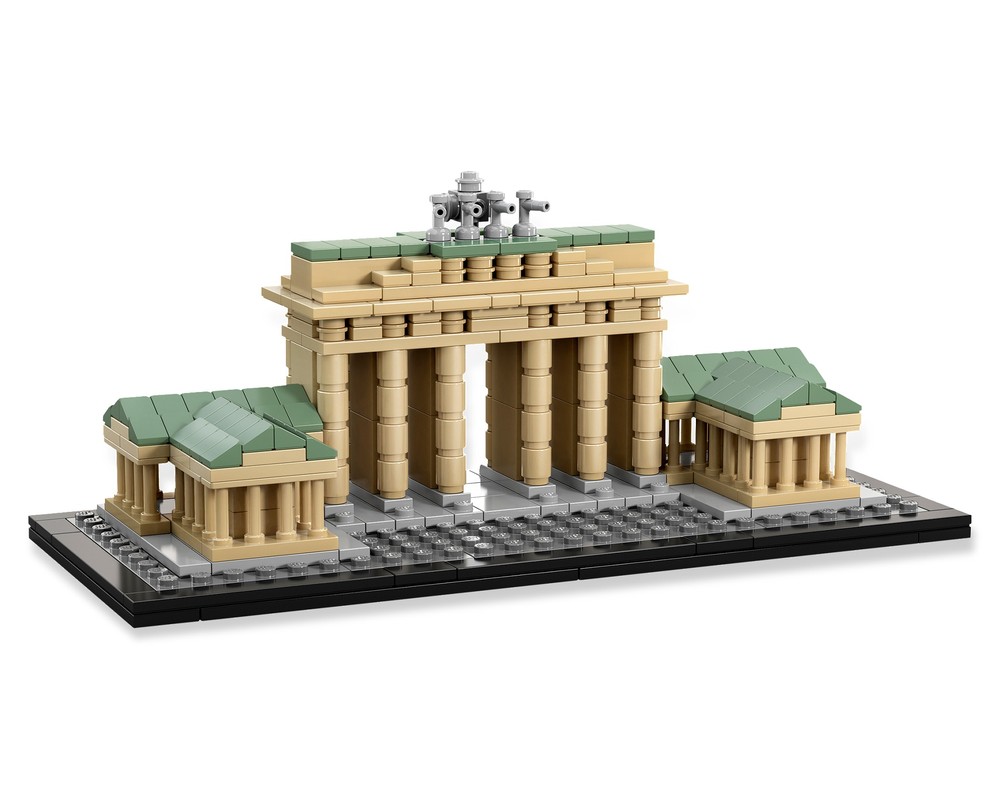 Brandenburg Gate
#21011. Where the earlier sets had been fairly simple representations of famous silhouettes, these 2011 releases had more detail and a stronger sense of place.
The Set and Its Place in the LEGO Lineup
By 2011 the Architecture theme was still establishing itself. The Landmark series that came first had done well enough to keep going, but these newer sets in what LEGO called the Architecture series proper were aimed at a different buyer. These were not impulse purchases or gifts for kids. They were deliberate display pieces for adults who cared about architecture and design, and the Farnsworth House is probably the purest expression of that idea in the early lineup.
At 546 pieces and $59.99, it sits near top of what the theme was producing at the time. The piece count sounds reasonable until you realize that nearly half those pieces, 238 to be exact, are Tile 1 x 1
White
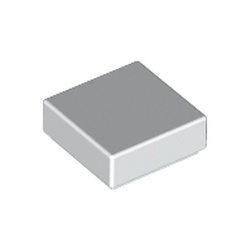 Tile 1 x 1 with Groove
White
. There is no action here, no play features, no minifigures. This is a display model, full stop, and it was priced to match. For LEGO fans who had never seen the theme before, picking this one up off the shelf in 2011 felt new and different from anything else LEGO was making.
What’s in the Box?
The box itself measures about 20 x 26 x 7 cm. Not huge, but noticeably thicker than a standard LEGO box of that era. In 2011 the Architecture theme was still pretty new to the scene, and LEGO was still figuring out how to package these sets in a way that felt premium without being wasteful.
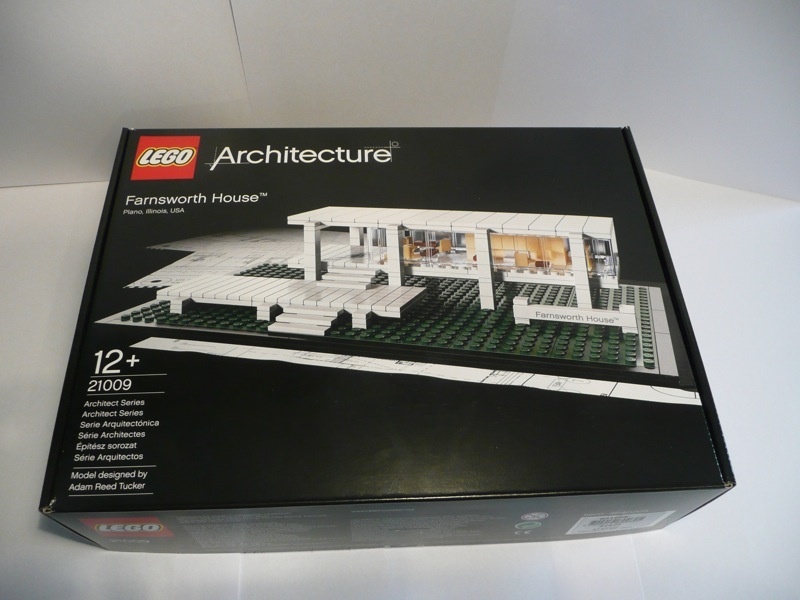
The fold up lid design that Architecture boxes became known for was not really a thing yet with most LEGO themes. When you opened this box it felt different from what you were used to. It opens kind of like a book with a flip top lid, held closed with just one sticker. Inside, the box is packed with bricks, which fits with LEGO’s push toward more efficient packaging at the time.
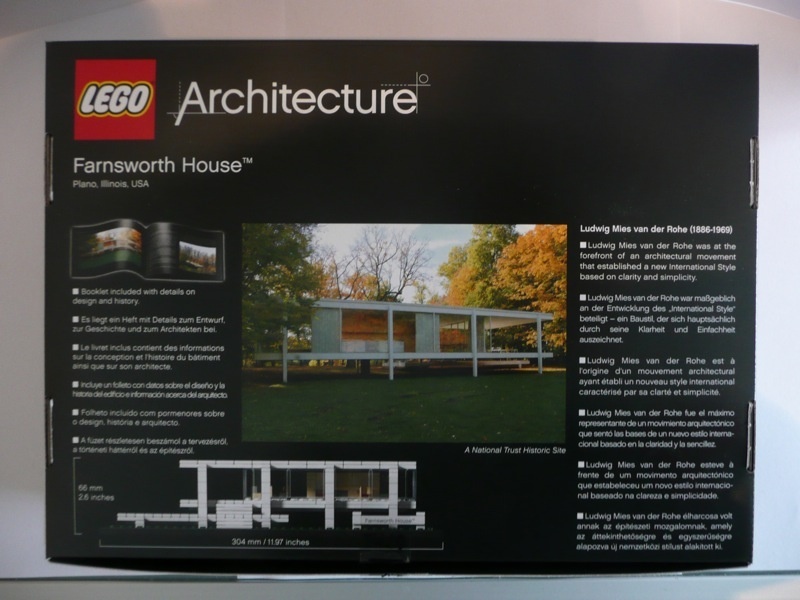
Most LEGO sets back then came in traditional boxes that you would open from the top. Architecture was doing its own thing here, creating a more premium feel that matched the adult collector vibe they were going for. The thickness and the flip lid made it feel more like a collectors piece than a toy box, which was clearly intentional. There are no numbered bags inside, just a loose bags of parts and a manual sitting on top.
Instructions Booklet
I was really hoping for a spiral bound manual like Fallingwater got, but instead we get a standard glued back booklet. Not a dealbreaker. You still get 9 pages packed with information about the house and its architect before the building instructions even start. The background on Mies van der Rohe and the history of the house adds to the building experience in a way that most LEGO manuals never bother with.
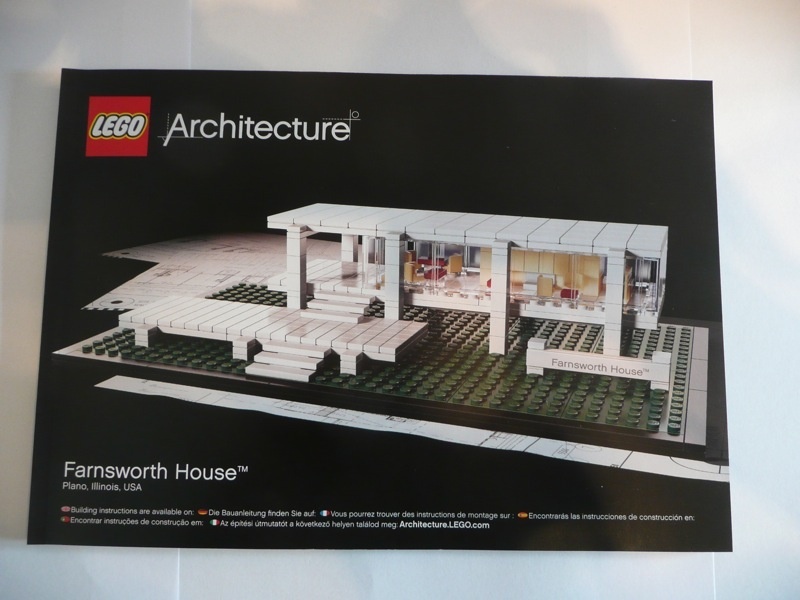
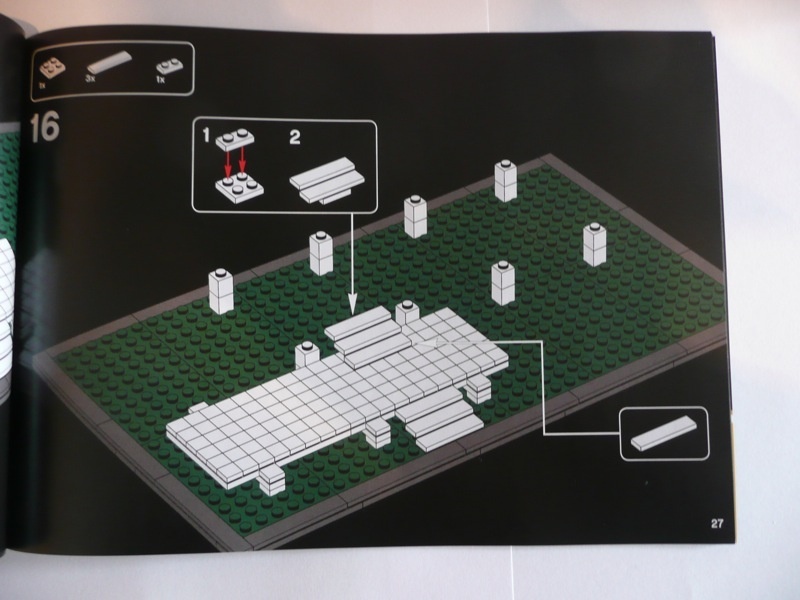
The actual build instructions are clear and easy to follow. The steps are logical and the diagrams are clean. Nothing about this set is so complex that you would ever feel lost, which is fine given the target audience.
Parts Breakdown
New Prints
What Stands Out
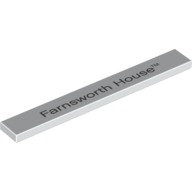
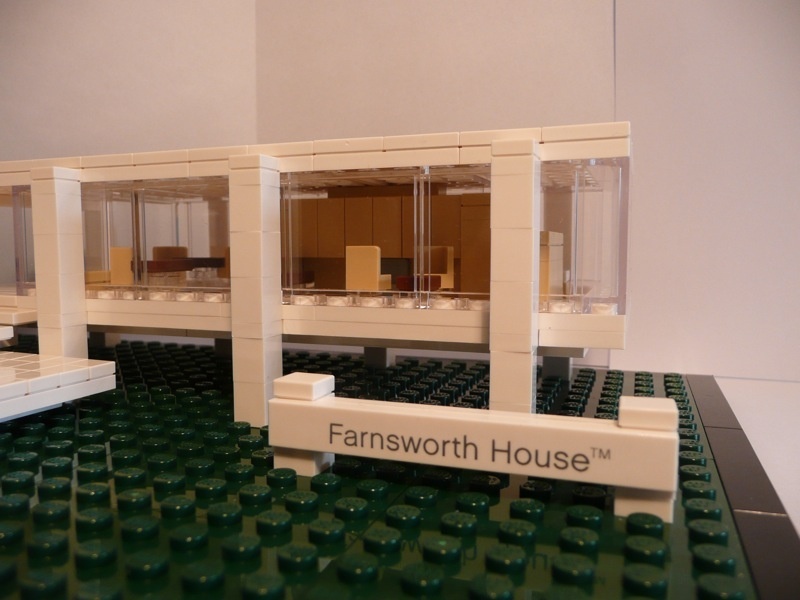
The only new print in the set is the Tile 1 x 8 with 'Farnsworth House' Print
White
Tile 1 x 8 with 'Farnsworth House' Print
White
, which is exclusive to this set. It serves as the nameplate for the finished model and gives it that finished, architectural drawing room quality the Architecture sets are known for. If you are buying this second hand, check that this tile is included because it is impossible to replace through normal parts channels and a new one from BrickLink will set you back around ~$35.
Beyond that exclusive piece, the most interesting thing in this set is the sheer quantity of White
parts. You get 238 Tile 1 x 1
White
Tile 1 x 1 with Groove
White
, 52 Tile 2 x 2
White
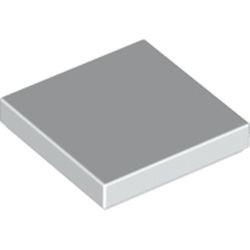 Tile 2 x 2
White
, and 46 Brick 1 x 1
White
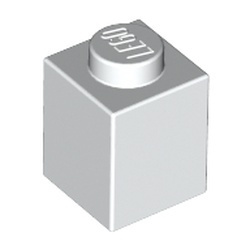 Brick 1 x 1
White
. None of these are rare or unusual on their own, but that volume of clean white tiles and bricks adds up fast.
The 12 Plate 6 x 10
Dark Green
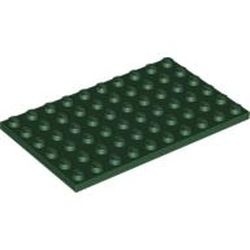 Plate 6 x 10
Dark Green
are worth calling out. This color combination was used in The White House #21006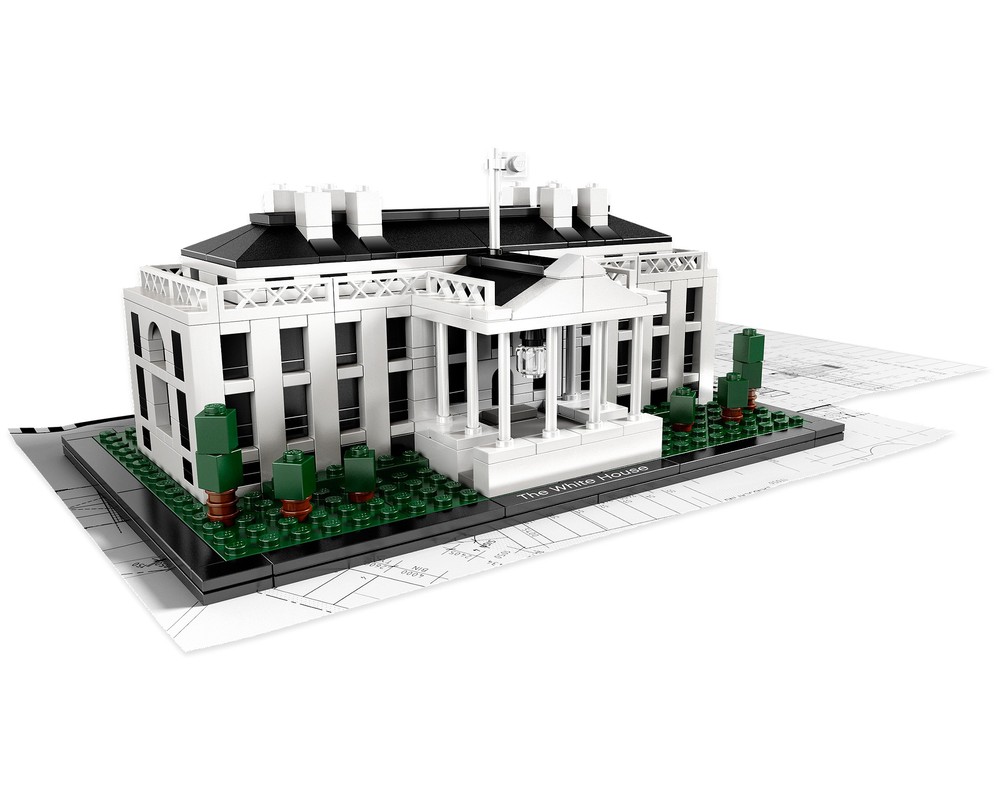 The White House
#21006 from 2010 and again in Robie House #21010Robie House
#21010 from the same year as this set. The part first appeared in 2009 and dropped out of production after 2014, which makes it a reasonably scarce find in Dark Green
.
The 12 Window Panels 1 x 4 x 3
Trans-Clear
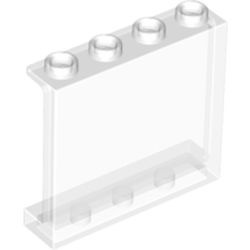 Window Panels 1 x 4 x 3
Trans-Clear
are the other interesting inclusion. This set ranks fourth among all sets for the quantity of these panels, and they are the visual backbone of the entire model. The open, glassy look of the finished house would not work without them.
There are no new molds, no new color combinations, and no rare parts. This is a utility set when it comes to parts, heavy on White basics and a nice source for those Dark Green plates if you can find it at a reasonable price.
The Build Experience
The build is straightforward from the first bag to the last piece. There is no complex geometry here, no SNOT trickery, and nothing that will have you flipping back through the manual trying to figure out where you went wrong. That is not a criticism. The minimalism of the building itself is what you are replicating, and the build reflects that.
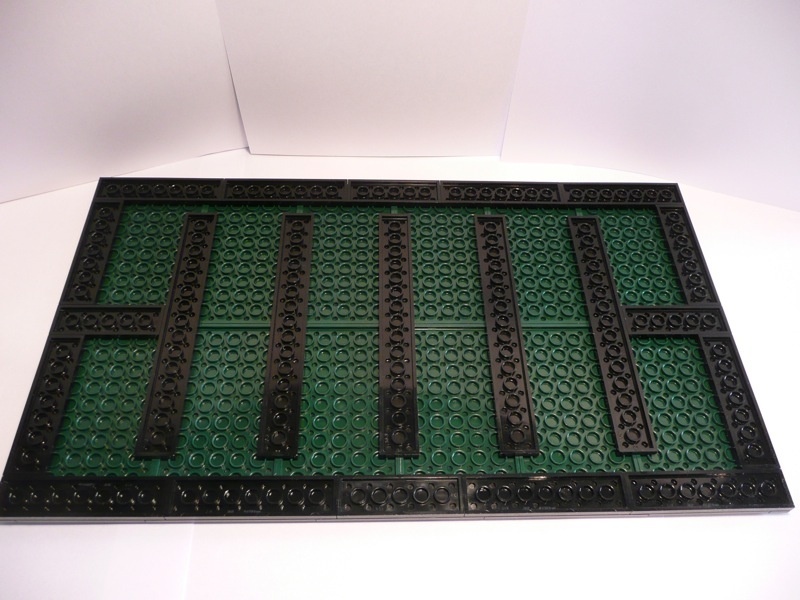
You start with the landscape base, laying down those dark green plates to form the ground plane around the house. It builds up quickly and gives you an immediate sense of scale.
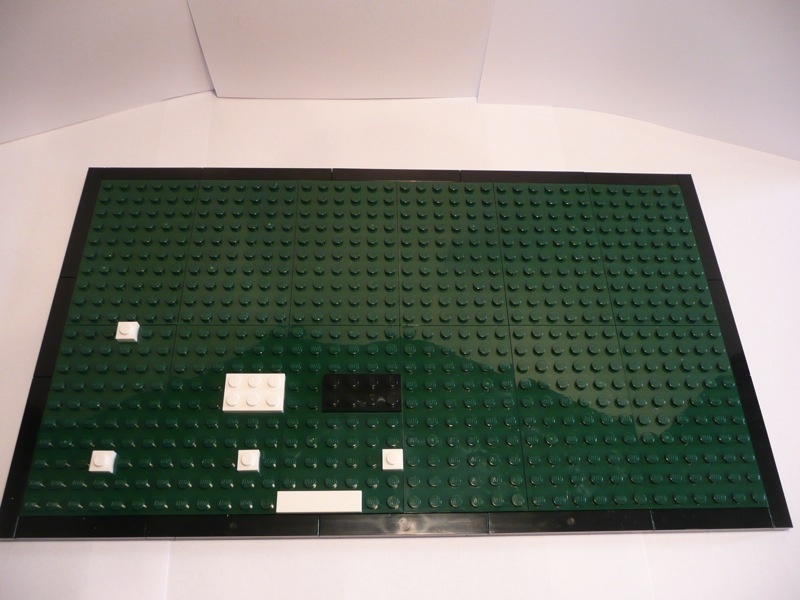
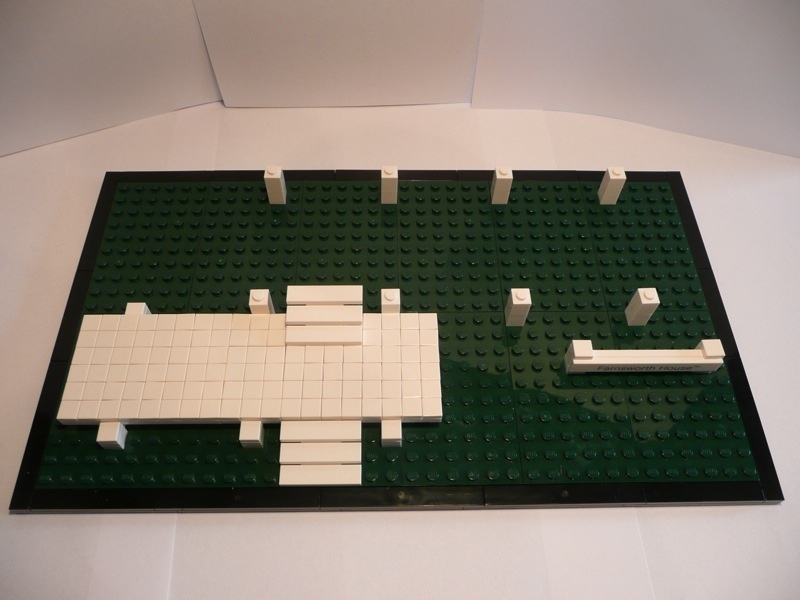
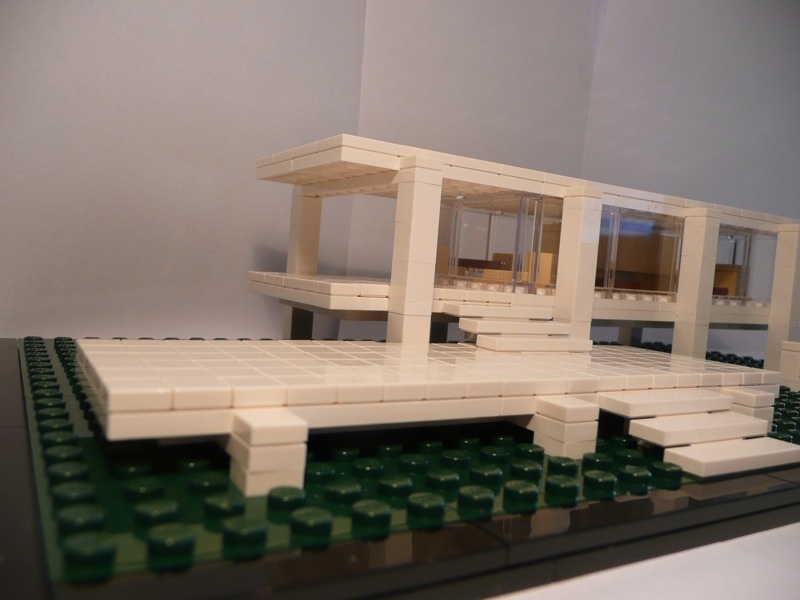
The patio terrace comes next, and this is where the white tiles start. The patio alone uses a large chunk of them, and you will quickly realize that aligning 1 x 1 tiles edge to edge without gaps takes patience. They look perfect when done right and slightly wrong when you rush.
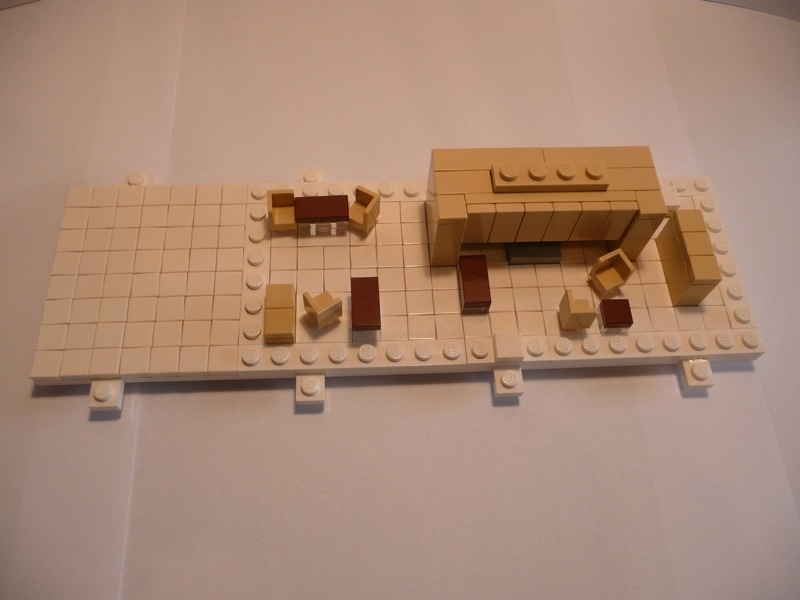
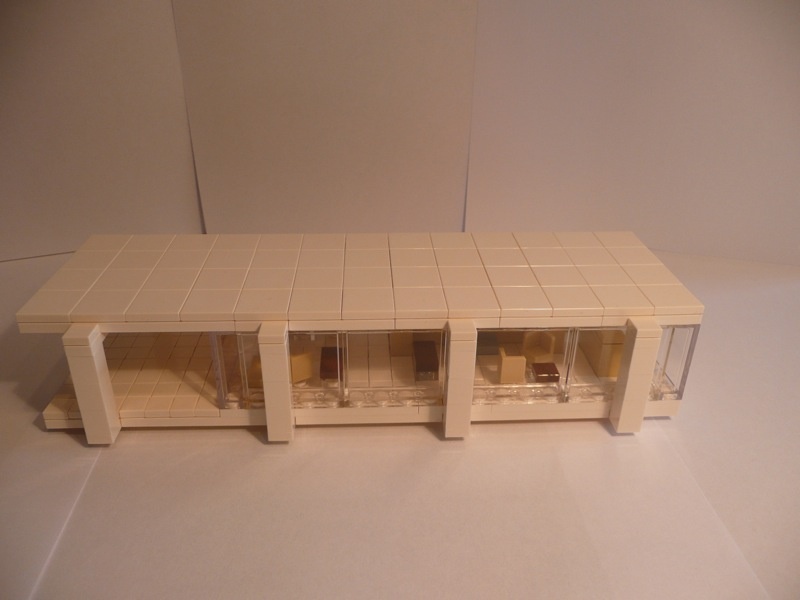
Then comes the house itself. The trans-clear window panels slot in cleanly and the white structure around them comes together fast. The roof plate goes on last and the whole thing clicks into a satisfying finish.
The build took me roughly two hours in 2011, which felt about right. The tedium comes entirely from those tiles. If you enjoy meditative, repetitive building you will be fine. If you hate placing 1 x 1 tiles one at a time for extended periods, parts of this will feel like work.
The Finished Product
The finished model is beautiful. The proportions are accurate to the real building, the horizontal lines read clearly, and the Trans-Clear panels do exactly what they are supposed to do: make the house look open and light. It sits flat and stable on any surface and has real display presence. It looks like a piece of architectural design, which is the whole point.
The interior detail is a nice touch. You can see through the panels and make out the minimal furniture references inside. At this scale it is subtle, but it adds to the sense that someone actually thought about what goes on the inside, not just the exterior silhouette.
The White finish is clean and sharp. The dark green base grounds the structure and the contrast between the two is handled well. In person it looks more refined than the official photos suggest, which is not always the case with LEGO sets.
The Real Talk
The Good Stuff
The design is the obvious win here. Tucker understood what makes the Farnsworth House special and translated it faithfully. The floating quality, the transparency, the horizontal emphasis, it all lands. For a set this early in the Architecture theme’s history, it is impressive how well the LEGO model captures the architectural idea rather than just the shape of the building.
The printed nameplate tile is a small detail that makes a real difference on the shelf. It gives the model a finished quality that plain models sometimes lack, and it fits the theme’s overall premium presentation. The fact that is has a stand, and not just placed down on the base, is great compared to other early Architecture sets.
The dark green base is also just a smart design choice. It gives the model context, a sense of site, which the real Farnsworth House absolutely depends on. A white model floating on a grey baseplate would have lost something important.
The Not So Good Stuff
Two hundred and thirty eight Tile 1 x 1
White
Tile 1 x 1 with Groove
White
is a lot to ask of anyone. The build is not hard but it is tedious in places, and aligning all those tiles perfectly takes time and care. If one row is slightly off it shows in the finished model. This is a build that rewards patience and punishes rushing, and not everyone has the patience for it.
The manual not getting the spiral binding that Fallingwater had is a real miss. For a set at this price point, a proper lay-flat manual would have been the right call. The glued back is fine but it feels like a step down.
There are also no numbered bags, which is a small annoyance when you are fishing through a pile of identical white pieces looking for specific sizes. Again, not a dealbreaker, but it adds friction to a build that already asks a lot of your attention.
Should You Buy It?
This set is for adults who care about architecture and want something different on their shelf. It is not a set for kids, not a parts pack for general MOC building, and not something you buy because it was cheap. You buy it because you want to own a LEGO model of one of the great architectural houses of the twentieth century, and because you appreciate that someone at LEGO thought that was worth doing.
Second hand prices have gone up since retirement. At the time of writing you can expect to pay well above the original $59.99 for a complete set with the nameplate tile. BrickLinks 6 month avg. shows a used set for ~$100 and a new one for ~$260. Check carefully for that printed part before buying because it makes the difference between a complete model and one that just looks slightly unfinished.
If you are building out an Architecture collection focused on the early sets, the Farnsworth House is essential. It represents the moment the theme grew up and started taking residential architecture seriously.
It is personally one of my top 3 Architecture sets of all time.
Final Score
Build Experience: 5/10 - The tile placement is meditative if you are patient, but two hundred and thirty eight 1 x 1 tiles will test anyone’s endurance.
Design: 10/10 - Tucker nailed the proportions, the transparency, and the sense of a building hovering above its landscape.
Parts Quality: 3/10 - The white tile volume is useful and the dark green plates are scarce in that color, but there is nothing here for builders outside the architectural style.
Playability: 0/10 - This is a display model and makes no pretense of being anything else.
Overall: 6/10 - Even though this is an absolute personal favorite of mine, make no mistake, it is not for everyone. It is one of the great early Architecture theme, and it still holds up, but the finished design is not able to justify the suboptimal building experience and part quality.